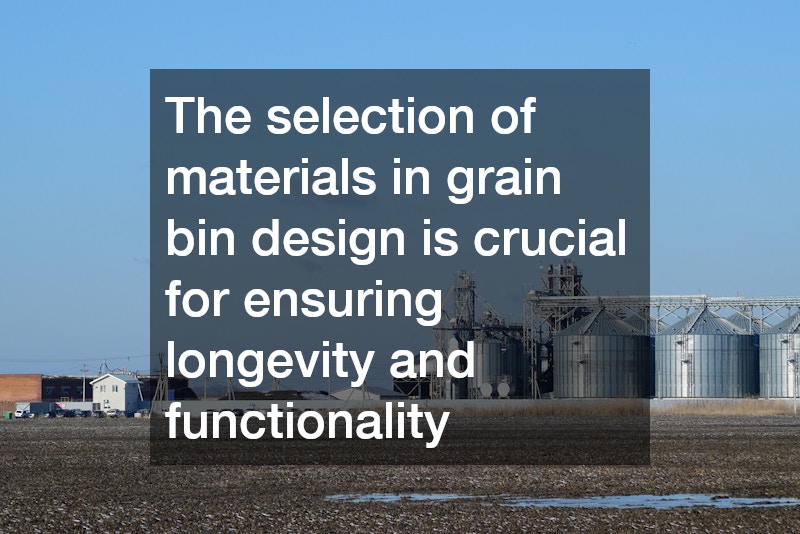
Grain bin design is more than just erecting a metallic structure on a piece of farmland. It involves complex engineering and architectural considerations that can significantly impact the efficiency of grain storage. One of the fundamental challenges engineers face is ensuring the bin maintains structural integrity under various weather conditions, from heavy snow to gushing winds.
Beyond structural integrity, grain bin design must account for the capacity to handle varying grain types and volumes. Different grains have distinct densities and can exert unique pressures on the bin walls. This necessitates custom designs or adaptations that ensure long-term efficacy and safety, protecting not just the stored grain but also those who work around these bins.
The design process also involves addressing the risk of grain spoilage by incorporating effective ventilation systems. Without proper airflow, moisture accumulation can lead to mold growth, compromising the entire grain harvest. Thus, intricate ventilation designs play a critical role in maintaining grain quality.
Choosing the Right Materials for Durability and Safety
The selection of materials in grain bin design is crucial for ensuring longevity and functionality. High-quality steel is a common choice due to its robustness and resistance to weather-induced corrosion. Engineers often treat the steel with galvanized coatings, enhancing its durability against the elements and reducing maintenance needs.
In addition to steel, other materials like reinforced concrete may be incorporated into the base of the bin to provide stability and withstand pressure from shifting contents. The choice of materials is influenced by environmental considerations, such as humidity levels and the likelihood of severe weather events, playing into the overall lifespan and safety of the structure.
Safety, too, is a key focus in material selection. Engineers must ensure that bins are not only structurally sound but also pose minimal risk to workers during maintenance and operation. This means materials must be selected and treated with care to prevent issues like rust, which could compromise safety over time.
Incorporating Advanced Technological Solutions
As grain bin design evolves, technology continues to play an increasingly important role. Advanced monitoring systems now allow farm managers to keep track of grain conditions remotely. Sensors within the bins can detect temperature and humidity levels, alerting to any issues that might result in spoilage or pest infestations.
Automated grain handling systems also contribute to technological advancements in bin design. These systems enable the seamless transfer of grain into and out of bins, reducing labor costs and minimizing human error. By embracing technology, engineers can create more efficient and economically viable solutions.
Smart technology integration in grain bins is becoming a standard, not a luxury. With IoT-enabled devices, stakeholders can receive real-time updates, which facilitate better decision-making and preventive maintenance strategies. The adoption of technology not only improves operational efficiency but also provides a competitive edge in agricultural production.
Balancing Cost with Quality in Grain Bin Design
Grain bin design often requires a balance between cost and quality. While it might be tempting to opt for less expensive materials or simpler designs to save on costs, such decisions can lead to higher expenses in the long run due to maintenance and repair needs. Investing in quality materials and design upfront can ensure the grain bin withstands the test of time.
It’s essential to work with experienced grain bin designers who understand the nuances of agricultural operations. These professionals can guide you in finding cost-effective solutions that do not sacrifice quality. Moreover, they can offer insights into energy-efficient designs that reduce operational costs.
Economic constraints should not deter the implementation of high-quality grain bin designs. Farmers and agribusinesses can seek financial assistance or funding programs aimed at agricultural improvements. The initial investment in quality design can lead to significant savings, rendering the operation more financially sustainable.
Considering Environmental and Regulatory Factors
Environmental considerations are increasingly influencing grain bin design. Regulations often necessitate that designs adhere to specific energy and safety codes. Compliance with these regulations not only ensures legal operation but also reflects a commitment to sustainable and environmentally friendly practices.
Designers must be aware of the impact their building materials and design strategies have on the environment. For instance, selecting materials that reduce heat absorption can help in maintaining optimal temperatures within the bins. Such considerations are vital for reducing energy consumption in climate-controlled environments.
Working within regulatory frameworks can seem daunting, but it’s essential for maintaining operational credibility and environmental stewardship. By aligning with both local and international standards, businesses can demonstrate their commitment to sustainability and responsible farming practices.
Grain bin design is more than just erecting a metallic structure on a piece of farmland. It involves complex engineering and architectural considerations that can significantly impact the efficiency of grain storage. One of the fundamental challenges engineers face is ensuring the bin maintains structural integrity under various weather conditions, from heavy snow to gushing winds.
Beyond structural integrity, grain bin design must account for the capacity to handle varying grain types and volumes. Different grains have distinct densities and can exert unique pressures on the bin walls. This necessitates custom designs or adaptations that ensure long-term efficacy and safety, protecting not just the stored grain but also those who work around these bins.
The design process also involves addressing the risk of grain spoilage by incorporating effective ventilation systems. Without proper airflow, moisture accumulation can lead to mold growth, compromising the entire grain harvest. Thus, intricate ventilation designs play a critical role in maintaining grain quality.
Choosing the Right Materials for Durability and Safety
The selection of materials in grain bin design is crucial for ensuring longevity and functionality. High-quality steel is a common choice due to its robustness and resistance to weather-induced corrosion. Engineers often treat the steel with galvanized coatings, enhancing its durability against the elements and reducing maintenance needs.
In addition to steel, other materials like reinforced concrete may be incorporated into the base of the bin to provide stability and withstand pressure from shifting contents. The choice of materials is influenced by environmental considerations, such as humidity levels and the likelihood of severe weather events, playing into the overall lifespan and safety of the structure.
Safety, too, is a key focus in material selection. Engineers must ensure that bins are not only structurally sound but also pose minimal risk to workers during maintenance and operation. This means materials must be selected and treated with care to prevent issues like rust, which could compromise safety over time.
Incorporating Advanced Technological Solutions
As grain bin design evolves, technology continues to play an increasingly important role. Advanced monitoring systems now allow farm managers to keep track of grain conditions remotely. Sensors within the bins can detect temperature and humidity levels, alerting to any issues that might result in spoilage or pest infestations.
Automated grain handling systems also contribute to technological advancements in bin design. These systems enable the seamless transfer of grain into and out of bins, reducing labor costs and minimizing human error. By embracing technology, engineers can create more efficient and economically viable solutions.
Smart technology integration in grain bins is becoming a standard, not a luxury. With IoT-enabled devices, stakeholders can receive real-time updates, which facilitate better decision-making and preventive maintenance strategies. The adoption of technology not only improves operational efficiency but also provides a competitive edge in agricultural production.
Balancing Cost with Quality in Grain Bin Design
Grain bin design often requires a balance between cost and quality. While it might be tempting to opt for less expensive materials or simpler designs to save on costs, such decisions can lead to higher expenses in the long run due to maintenance and repair needs. Investing in quality materials and design upfront can ensure the grain bin withstands the test of time.
It’s essential to work with experienced grain bin designers who understand the nuances of agricultural operations. These professionals can guide you in finding cost-effective solutions that do not sacrifice quality. Moreover, they can offer insights into energy-efficient designs that reduce operational costs.
Economic constraints should not deter the implementation of high-quality grain bin designs. Farmers and agribusinesses can seek financial assistance or funding programs aimed at agricultural improvements. The initial investment in quality design can lead to significant savings, rendering the operation more financially sustainable.
Considering Environmental and Regulatory Factors
Environmental considerations are increasingly influencing grain bin design. Regulations often necessitate that designs adhere to specific energy and safety codes. Compliance with these regulations not only ensures legal operation but also reflects a commitment to sustainable and environmentally friendly practices.
Designers must be aware of the impact their building materials and design strategies have on the environment. For instance, selecting materials that reduce heat absorption can help in maintaining optimal temperatures within the bins. Such considerations are vital for reducing energy consumption in climate-controlled environments.
Working within regulatory frameworks can seem daunting, but it’s essential for maintaining operational credibility and environmental stewardship. By aligning with both local and international standards, businesses can demonstrate their commitment to sustainability and responsible farming practices.